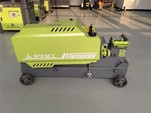

On construction sites, rebar bending machines work long hours under heavy loads. Poor maintenance often leads to bent shafts, stuck moving parts, or inconsistent bends-causing downtime and rework. This guide shares practical, daily to yearly maintenance steps that help your machine run smoothly and last longer.
Daily Maintenance (5–10 Minutes After Use)
Start with simple daily care to avoid small issues turning into big repairs. Wipe the worktable, bending disc, and shafts clean of concrete dust and metal shavings. Check that core shafts, forming shafts, and stoppers have no cracks or heavy wear. Look for loose bolts on the frame, motor base, and guardrails-tighten them right away. Always unplug the machine before cleaning or adjusting parts.
Weekly Lubrication and Mechanical Checks
Lack of lubrication is a top cause of early failure. Every seven days, add grease to oil cups, bearings, and sliding joints. For hydraulic models, check oil levels and look for leaks at hoses or connectors. Inspect V‑belts for cracks or slack; adjust tension so you can press them down about half an inch. Test run the machine without rebar to listen for grinding or rattling-these noises mean parts need attention.


Monthly Deep Inspection
Set aside 20–30 minutes each month to conduct a thorough inspection of the rebar bending machine. Examine gears and reducers for proper lubrication and no chipped teeth. Tighten wiring connections in the control box to prevent loose contacts. Clean air vents and fans to stop overheating. If you use the machine heavily, check alignment of bending discs and stoppers to keep angles accurate.
Quarterly and Yearly Care
Every three months, change hydraulic oil if it looks dark or dirty. Replace worn‑out jaws, shafts, and stoppers that show deep grooves. Once a year, take apart main bearings for cleaning and regreasing. Calibrate bending angles to meet project standards. For machines in storage, coat metal surfaces with anti‑rust oil and cover the unit to keep out dust.
Quick Safety Tips
Never adjust shafts or clean the machine while it's running. Do not bend rebar thicker than the machine's rated diameter. Keep guards in place to protect hands and clothing from moving parts. Following these rules lowers injury risks and extends equipment life.
Good maintenance isn't complicated-it's consistent. Daily cleaning, weekly lubrication, monthly inspections, and periodic part replacement keep your rebar bender reliable. These small steps reduce breakdowns, improve bending quality, and lower long-term repair costs. As long as you consistently follow this maintenance protocol, your rebar bending machine will continue to provide reliable support for your engineering projects for years to come."